

- dazi doganali, ddp shopify, multivaluta shopify, pmi ecommerce, shopify markets, spedizioni internazionali
- Francesco Guiducci
International Shipping on Shopify: Markets, Rates, Duties and Localization
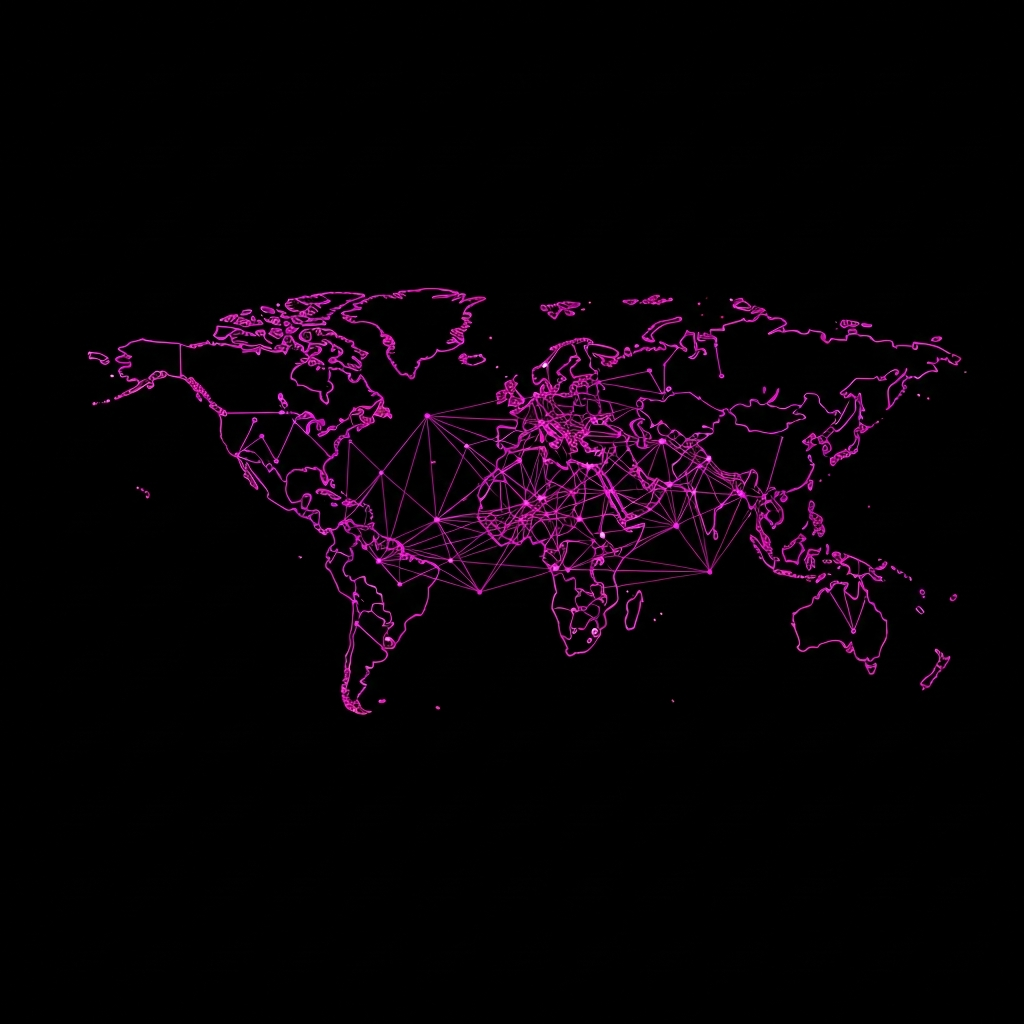
Direct answer: Shopify provides native tools for organizing markets, countries, currencies, languages and shipping configuration, but I do not assume every feature is available in the same way on every plan, country or payment setup. Before selling internationally I verify the actual market, carrier, tax flow and features enabled on the store.
Markets: separate commercial markets
Shopify Markets lets merchants organize different commercial experiences by market. Shopify is also transitioning merchant-owned shipping configuration toward market-driven shipping. The feature preview and stable APIs became available in July 2026, with merchant rollout scheduled to begin October 1, 2026 and a broader transition continuing through 2027. For apps or integrations, I therefore verify which shipping model the store actually uses instead of assuming legacy delivery-profile behavior will remain unchanged.
Shipping rates
For each country I define a strategy based on actual carrier costs. Flat rates, free-shipping thresholds and calculated rates each have valid use cases. I do not treat a flat rate as universally better: if weight, dimensions or destinations vary significantly, dynamic rates can be more appropriate when supported by the selected configuration.
Profiles, origins and different products
Products with different origins or characteristics can require different rules. I always test mixed carts because multiple origins or shipping configurations can create combinations at checkout that are not obvious from the settings alone.
Duties and import taxes
The ability to estimate or collect duties depends on the market, product data and features enabled on the store. HS codes, country of origin and customs data need to be accurate when used. I do not promise DDP or an absence of charges on delivery without also verifying the carrier and customs flow.
Currencies and payments
Displaying and settling in local currencies depends on Markets and payment configuration. Before enabling a country I check Shopify Payments, supported currencies, applicable fees and available payment methods.
Languages and international SEO
I use Shopify-supported localization and review URLs, hreflang, canonical signals and internal linking. Machine translation remains a draft when technical, legal or commercial information is involved. Each localized version should have its own coherent URL, metadata and internal links rather than mixing languages.
Performance and geolocation
I prefer native selectors and features when they cover the requirement, but I do not claim an external app automatically “destroys” INP. If an app is needed, I measure its actual cost and keep it when the benefit justifies the dependency.
Checklist before enabling a new country
- market and URL structure;
- currency and payments;
- language and translated content;
- rates, origins and carriers;
- duties, VAT and customs data;
- returns and support;
- end-to-end test order.
If you need to configure international markets, this is part of the work I handle through my Shopify support and maintenance.
Updated September 3, 2026.


